
The SONA
Initiative
Institutional Design for Democratic Inclusion
The SONA Initiative is an ongoing governance intervention founded in 2024 to address a persistent democratic failure: women drive local economies, yet remain excluded from the governance systems that shape economic policy, infrastructure, and resource allocation.
The Problem
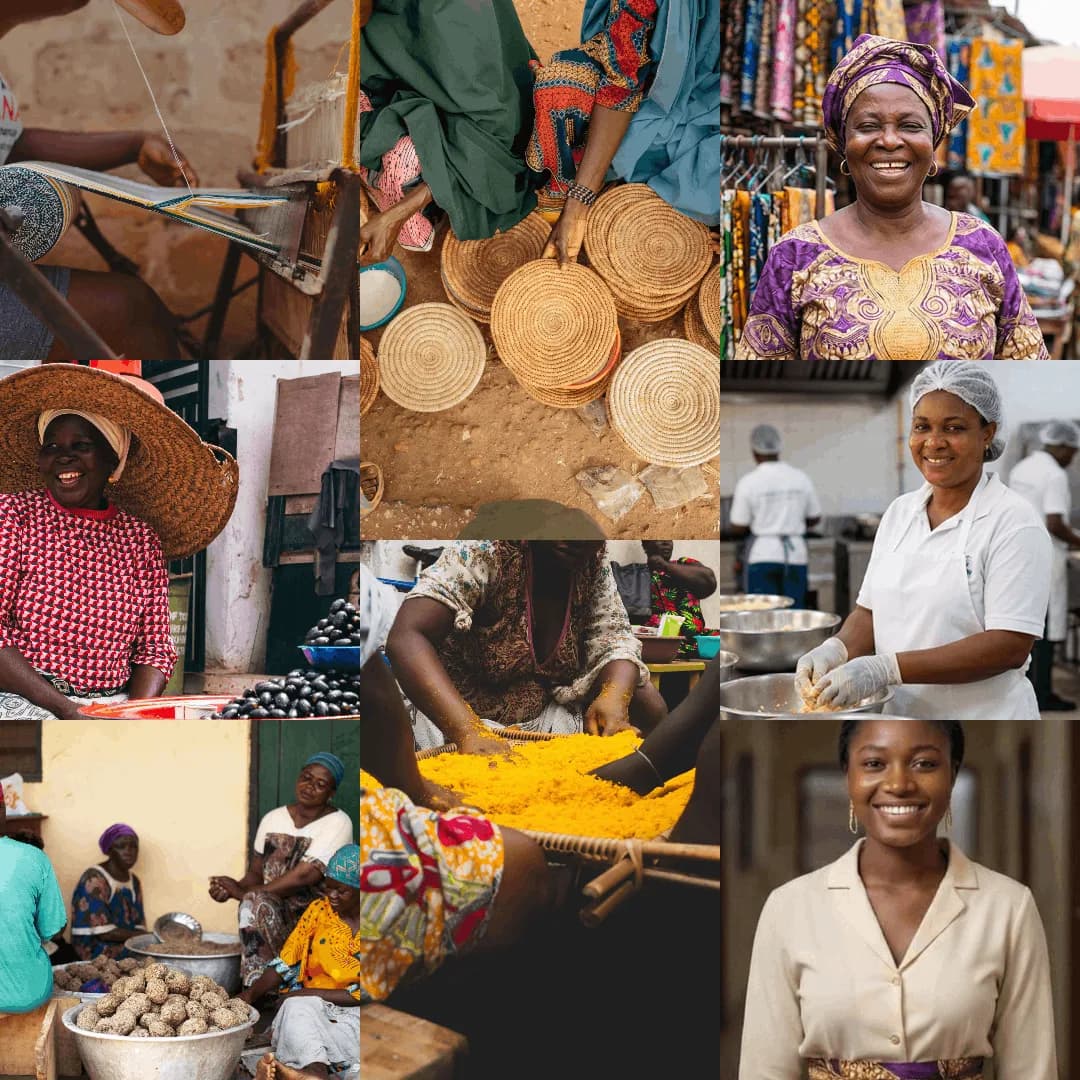
In Ghana, approximately 58% of economic activity occurs in the informal economy (International Labour Organization). Despite their economic centrality, informal actors—particularly women—are rarely recognized as legitimate participants in local governance. As scholars of democratic institutions have long noted, participation without authorization rarely alters outcomes (Fung & Wright, 2003).
SONA was established to demonstrate that institutional design, rather than mobilization or protest, can create durable pathways from informal economic activity to recognized civic and policy influence.
In the initial implementation district in rural Ghana's Eastern Region, women entrepreneurs attempting to attend district assembly meetings were physically blocked by male community leaders. The justification was explicit: “Business belongs in the market, not the council chamber.”
This exclusion was not anomalous. Research on informal economies consistently shows that governance systems privilege formal organizational forms, rendering informal actors politically invisible even when they are economically indispensable.
The barrier was not capacity, awareness, or civic interest. It was legitimacy, embedded in decision rules that defined who was authorized to participate in governance processes.

The Intervention: Institutional Translation
SONA implements a civic–economic integration model centered on institutional translation—converting informal economic priorities into inputs legible within formal governance systems.
Financial Literacy and Cooperative Governance
Women entrepreneurs strengthen internal governance, financial management, and collective decision-making structures. This aligns with evidence that internal accountability is a prerequisite for external legitimacy in institutional engagement (Ostrom, 1990).
Practical Civic Education
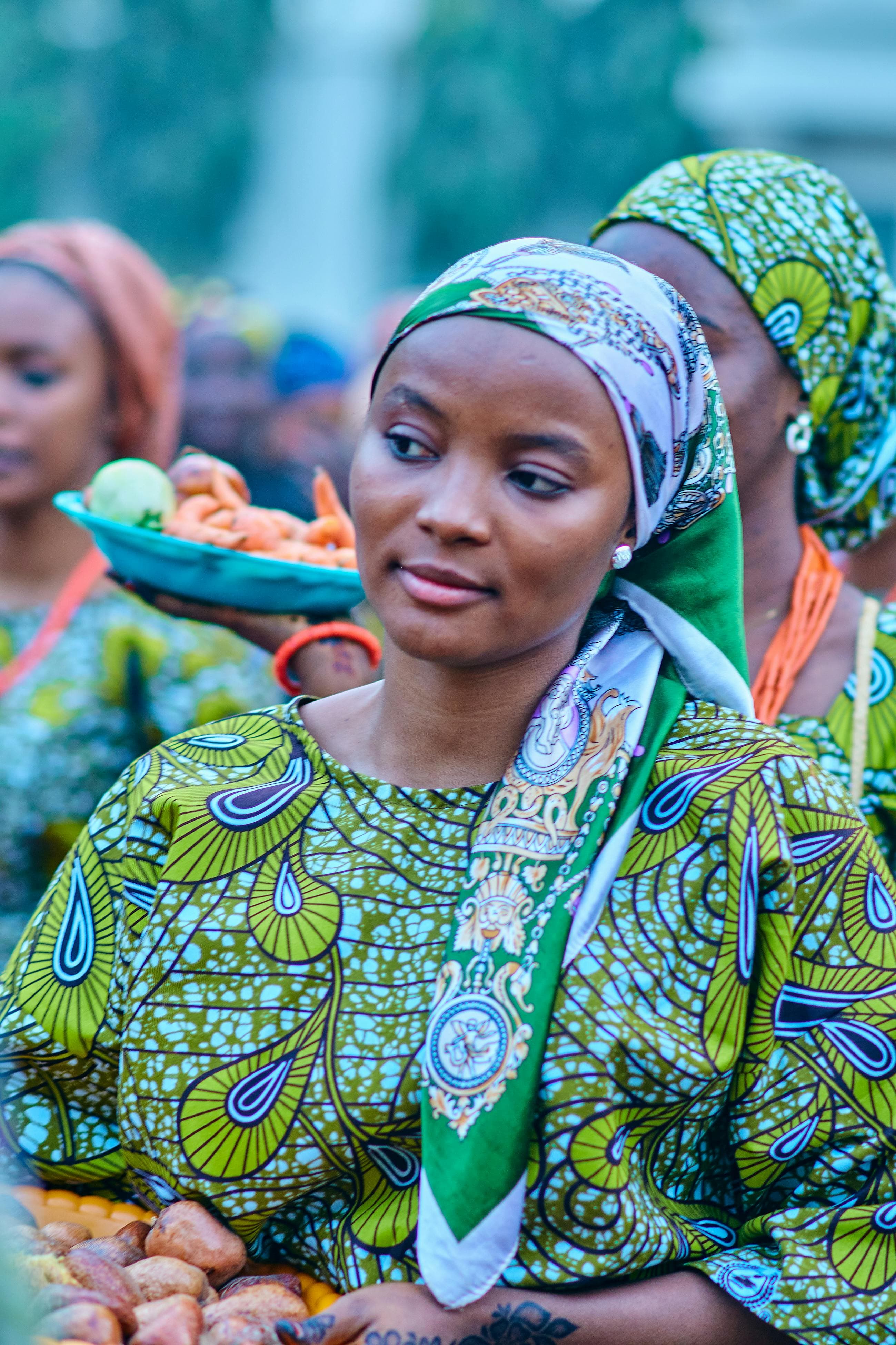
Participants receive training on district planning processes, statutory mandates, and committee structures, with a focus on how development priorities are formally articulated, debated, and approved.
Strategic Alignment with Governance Systems
Rather than framing demands as rights-based claims, cooperative priorities—such as market access, infrastructure, and security—are reframed as development concerns aligned with district planning frameworks. This reflects findings that institutional alignment is more durable than adversarial engagement in low-state-capacity contexts (Andrews, Pritchett & Woolcock, 2017).
03Outcomes & Insights
Visible Impact
- 12+
Women entrepreneurs have established sustained participation in district assembly proceedings.
- 2
Women have secured appointments to district economic planning committees previously closed to women.
The initiative operates in rural districts without formal political office, donor enforcement, or external incentives.
"These outcomes demonstrate that democratic inclusion can be achieved by altering how legitimacy is recognized, rather than by expanding participation alone—a distinction emphasized in democratic innovation literature (Fung, 2006)."
What We Learned
Participation without legitimacy is structurally fragile
Inviting citizens to attend meetings does not change outcomes if governance systems do not recognize them as authorized actors (Fung & Wright, 2003).
Mobilization alone does not overcome institutional exclusion
Early attempts at participation failed until engagement protocols were aligned with statutory processes, reinforcing that exclusion is designed, not incidental (Meagher, 2010).
Durable inclusion depends on system architecture, not individual leadership
Initial progress relied heavily on founder involvement, underscoring the need for formalized governance pathways that function independently of personal mediation (Ostrom, 1990).
Trajectory
The SONA Initiative continues to generate field-tested insight into how informal economic actors can be institutionally integrated into democratic systems.
Its methods are being refined, expanded, and codified through The Freedom and Democracy Institute, operating across Ghana, Kenya, and Liberia. Current work focuses on translating field-level interventions into durable governance architectures that can withstand political contestation, donor scrutiny, and limited state capacity—advancing democratic inclusion through institutional design rather than exception.
About the Founder
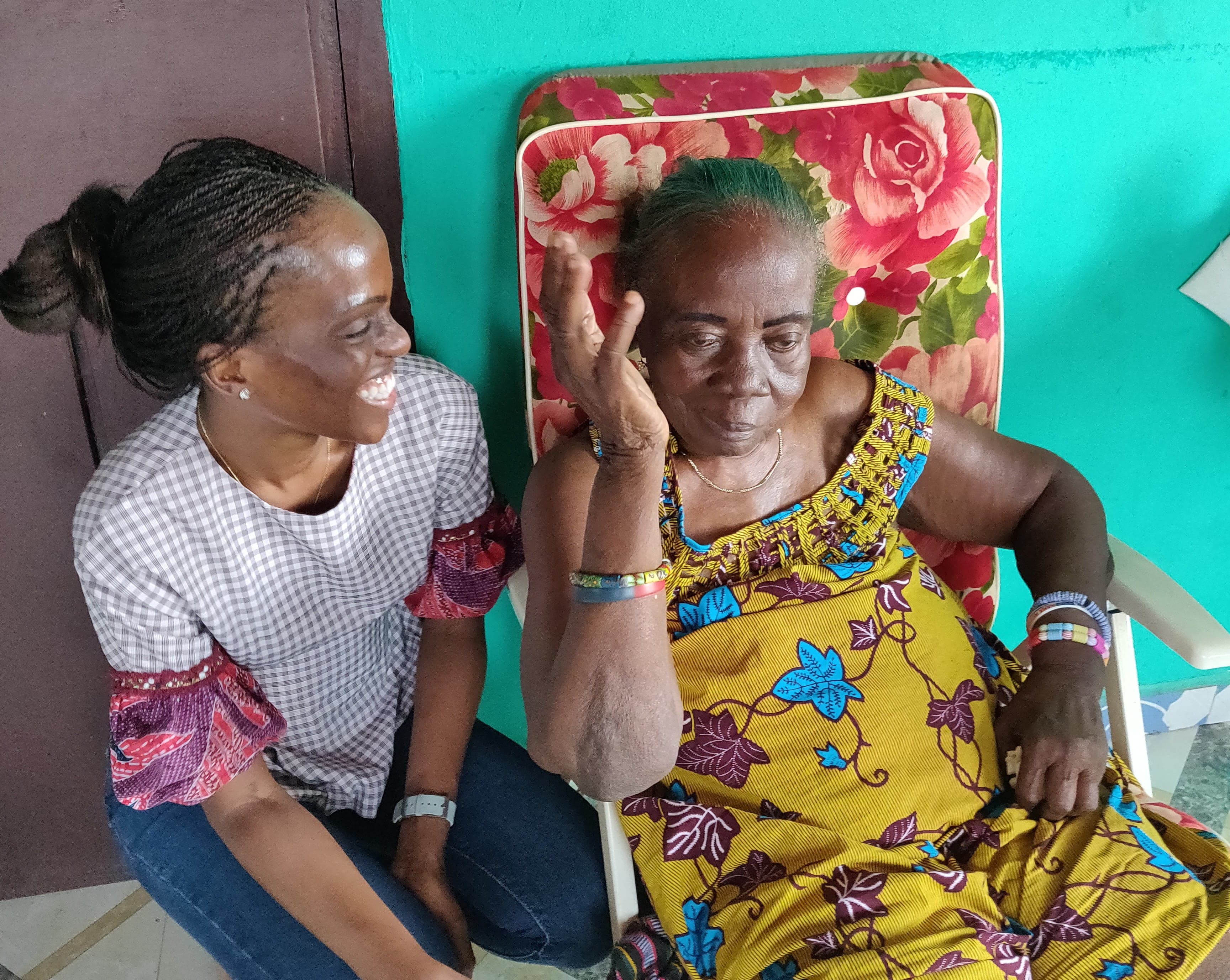
The SONA Initiative was founded by Sarah Mills Amo (pictured left), a public-sector and mission-driven operator whose work focuses on institutional design, democratic governance, and women's economic inclusion in politically complex and resource-constrained environments.
Sarah’s career spans over 15 years across Africa, the Middle East, and Europe, including nine years at General Electric working at the intersection of corporate systems, public regulation, and government policy. In these roles, she repeatedly observed that policy outcomes depended less on technical merit than on institutional credibility—specifically, who was recognized as a legitimate stakeholder in decision-making processes.
Earlier in her career, Sarah co-led the establishment of Africa’s first institutional honor code at Ashesi University, helping design a governance system that redistributed responsibility rather than relying on surveillance or enforcement. This formative experience shaped her approach to social change: correcting exclusion by altering decision rights, not by adding programs.
She founded SONA in 2024 after confronting, firsthand, the physical exclusion of women entrepreneurs from district governance spaces—an experience that clarified the need for institutional translation rather than advocacy alone. Sarah currently serves as Chief Operating Officer of The Freedom and Democracy Institute, where the insights and methods developed through SONA are being formalized and scaled across Ghana, Kenya, and Liberia.